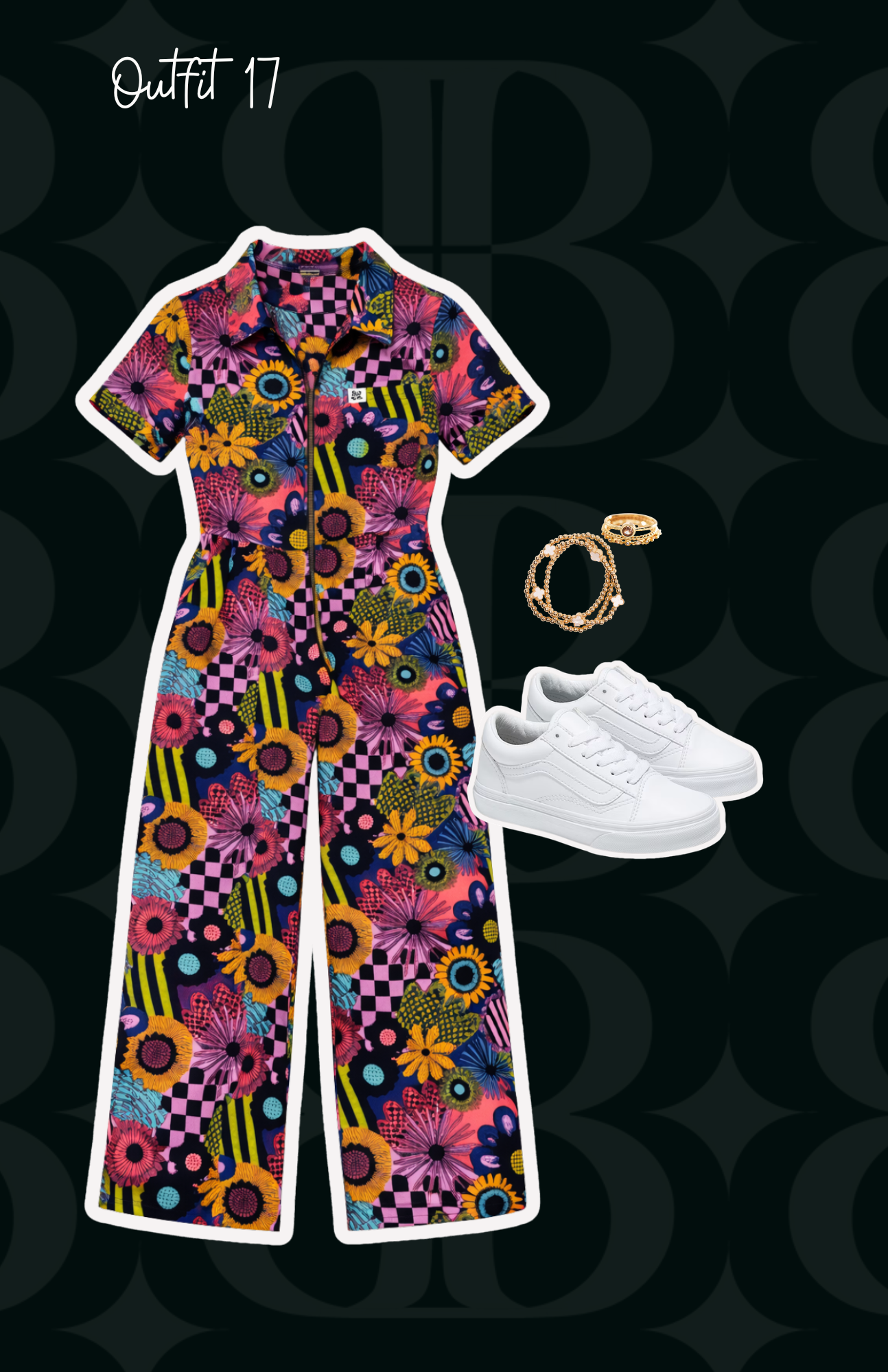
Case Study: Postpartum Wardrobe Transformation — Rebuilding Barbara’s Confidence
“It was an absolute joy working with Lilly and Angie… they exceeded all of my expectations.”
Barbara came to us ready to do what most women hesitate to admit:
Start over.
Not because she didn’t have clothes—but because the ones she had no longer reflected her body, her lifestyle, or how she wanted to show up.
After having her first baby, she found herself in that frustrating middle ground:
Pieces technically fit, but didn’t flatter
Outfits felt flat, shapeless, or unfinished
Getting dressed required effort, but didn’t deliver results
She described feeling “boxy” and disconnected from her shape, especially through her waist.
At the same time, her life required versatility—casual days, a polished but relaxed work environment, and social settings mixed in throughout the week.
This wasn’t a closet clean-out.
This was a full postpartum wardrobe transformation built from scratch—with intention.
Why We Rebuilt Instead of Edited
In many cases, we refine what a client already owns.
In Barbara’s case, that wouldn’t have solved the problem.
Her existing wardrobe:
Was built for a previous version of her body
Lacked the structure needed for her current proportions
Didn’t align with a cohesive color palette
Trying to “make it work” would have meant constant compromise.
So instead, we approached this as a strategic rebuild:
Every piece had to earn its place by solving a specific problem.
The Foundation: Color, Body, and Real-Life Function
Before sourcing a single item, we defined three non-negotiables.
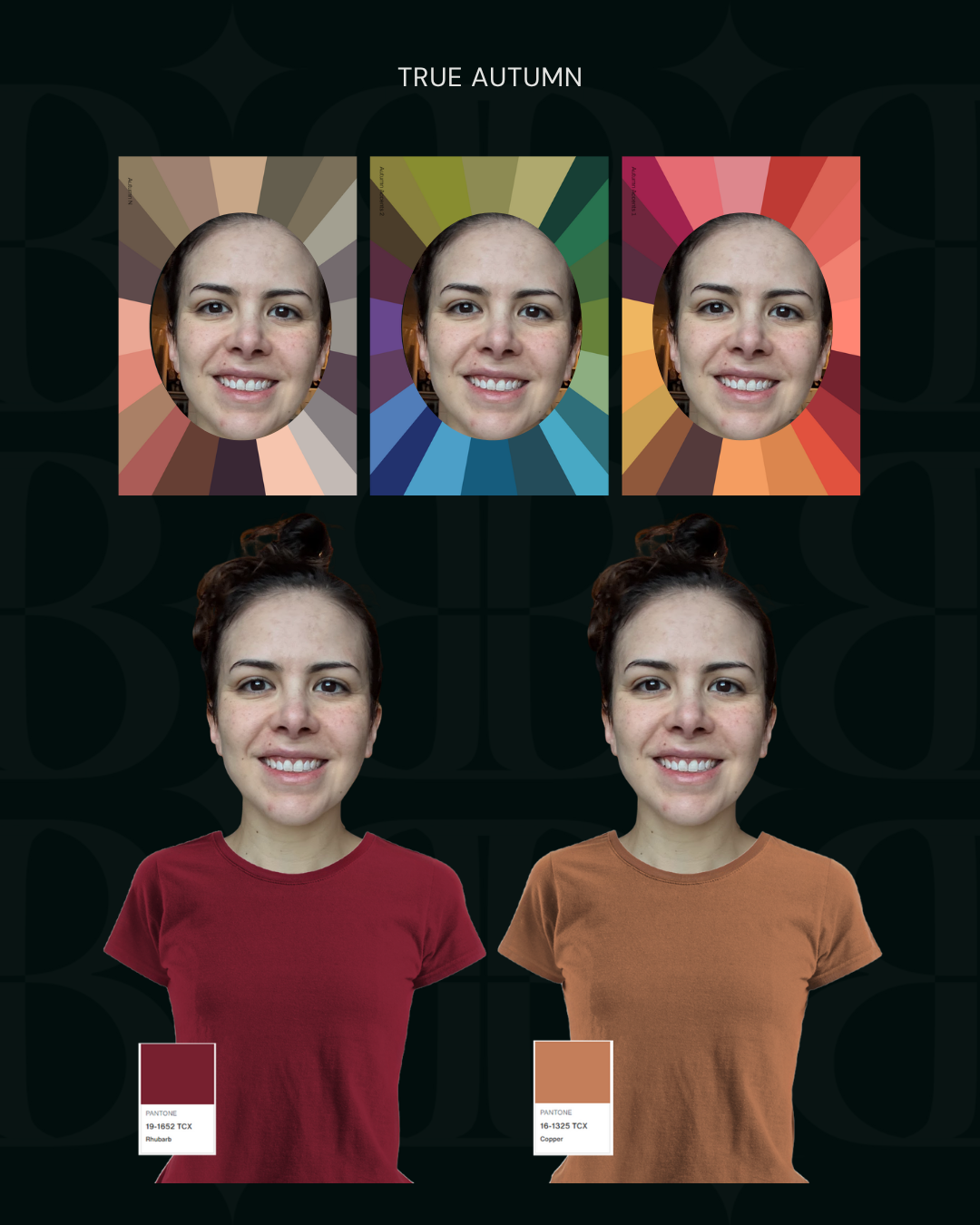
1. Color Alignment (True Autumn + Dark Autumn)
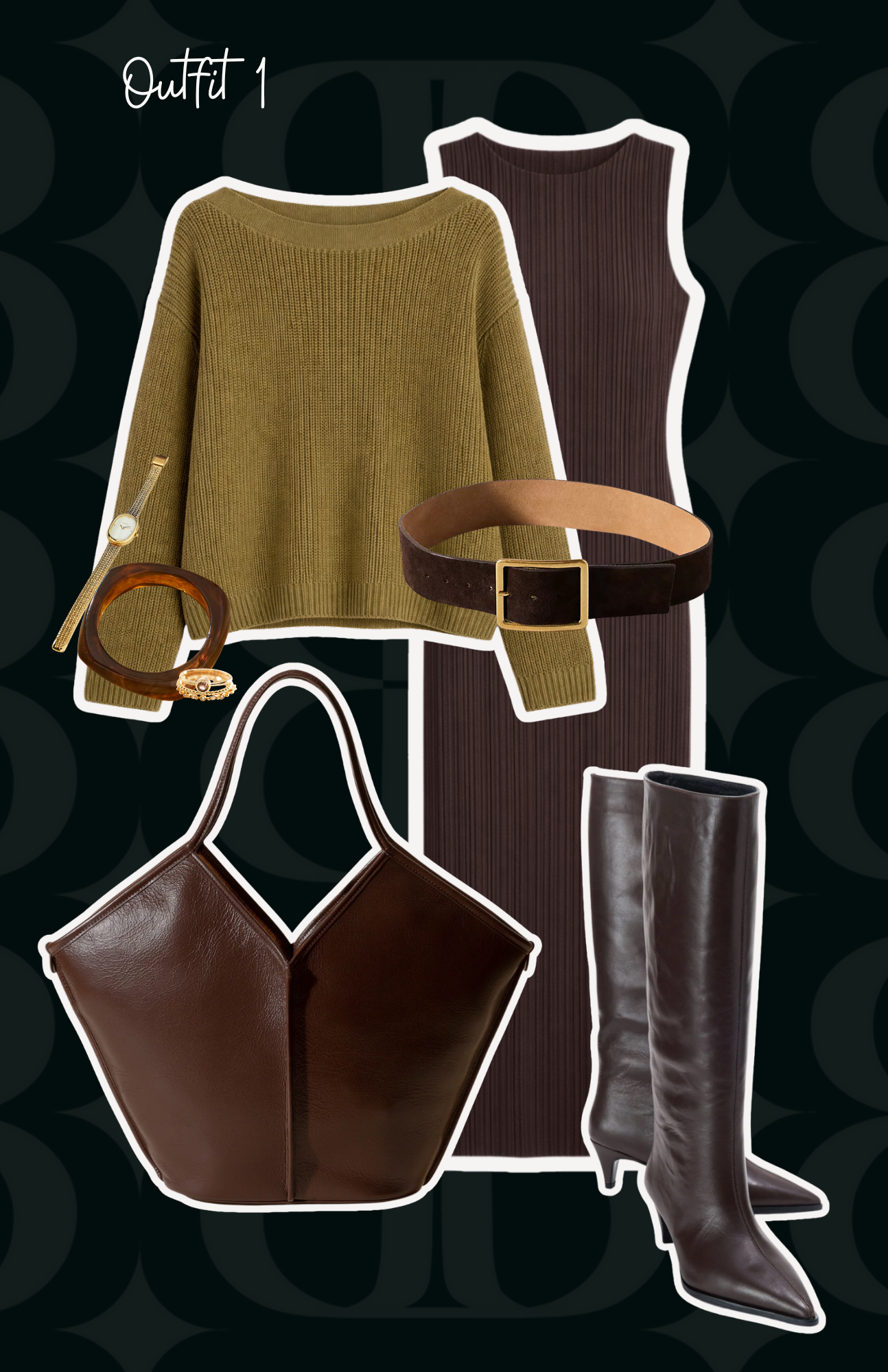
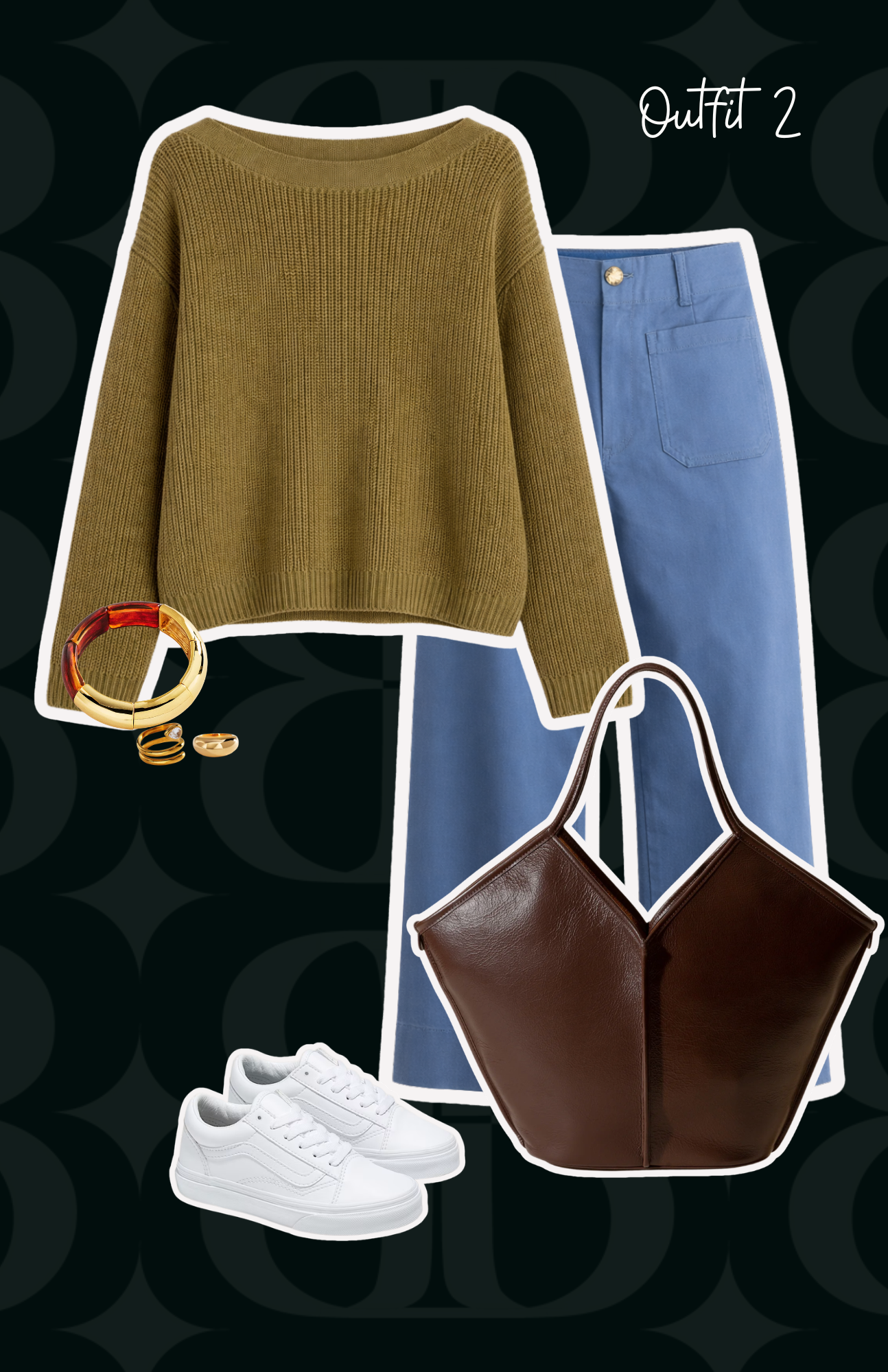
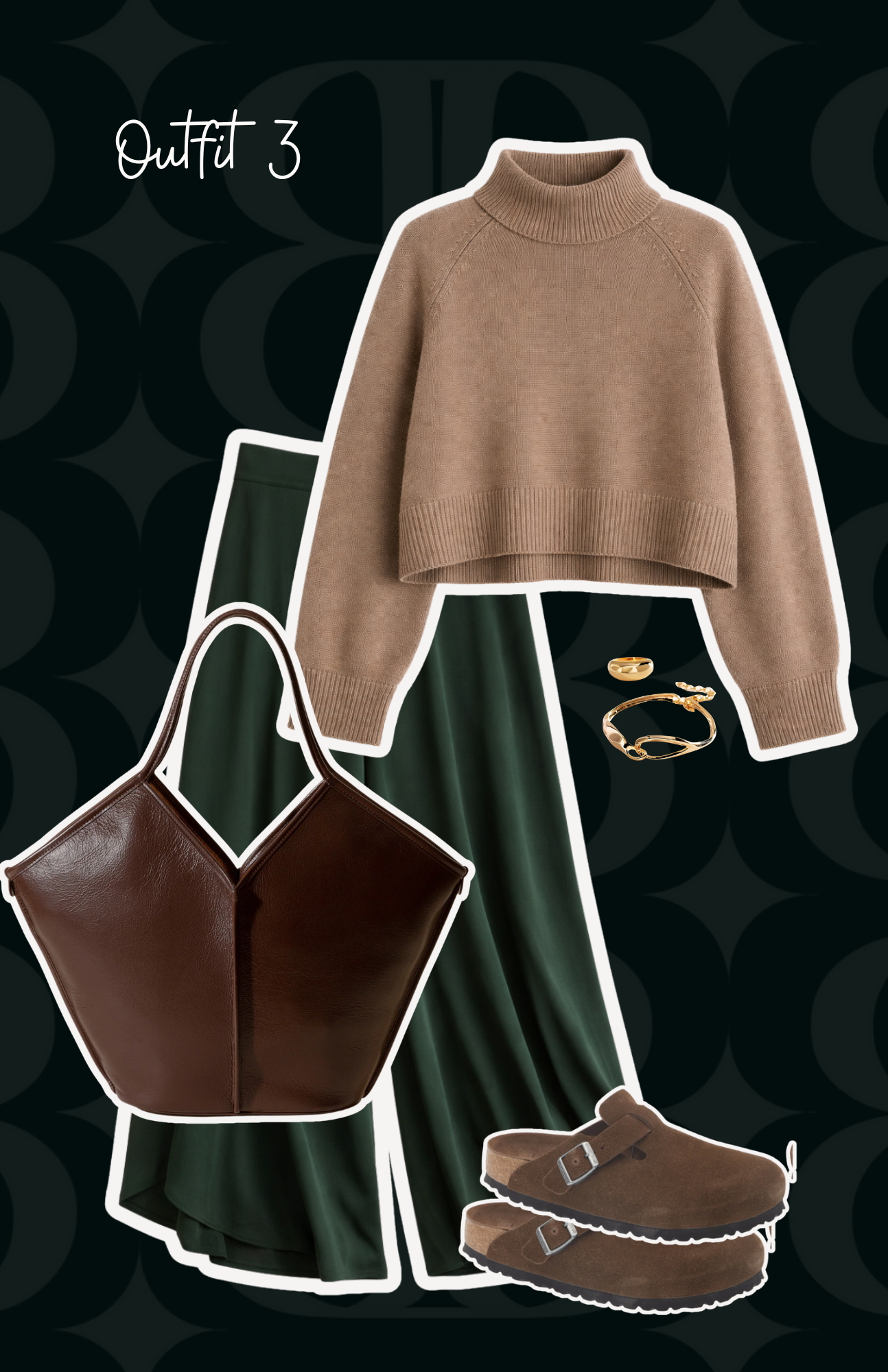
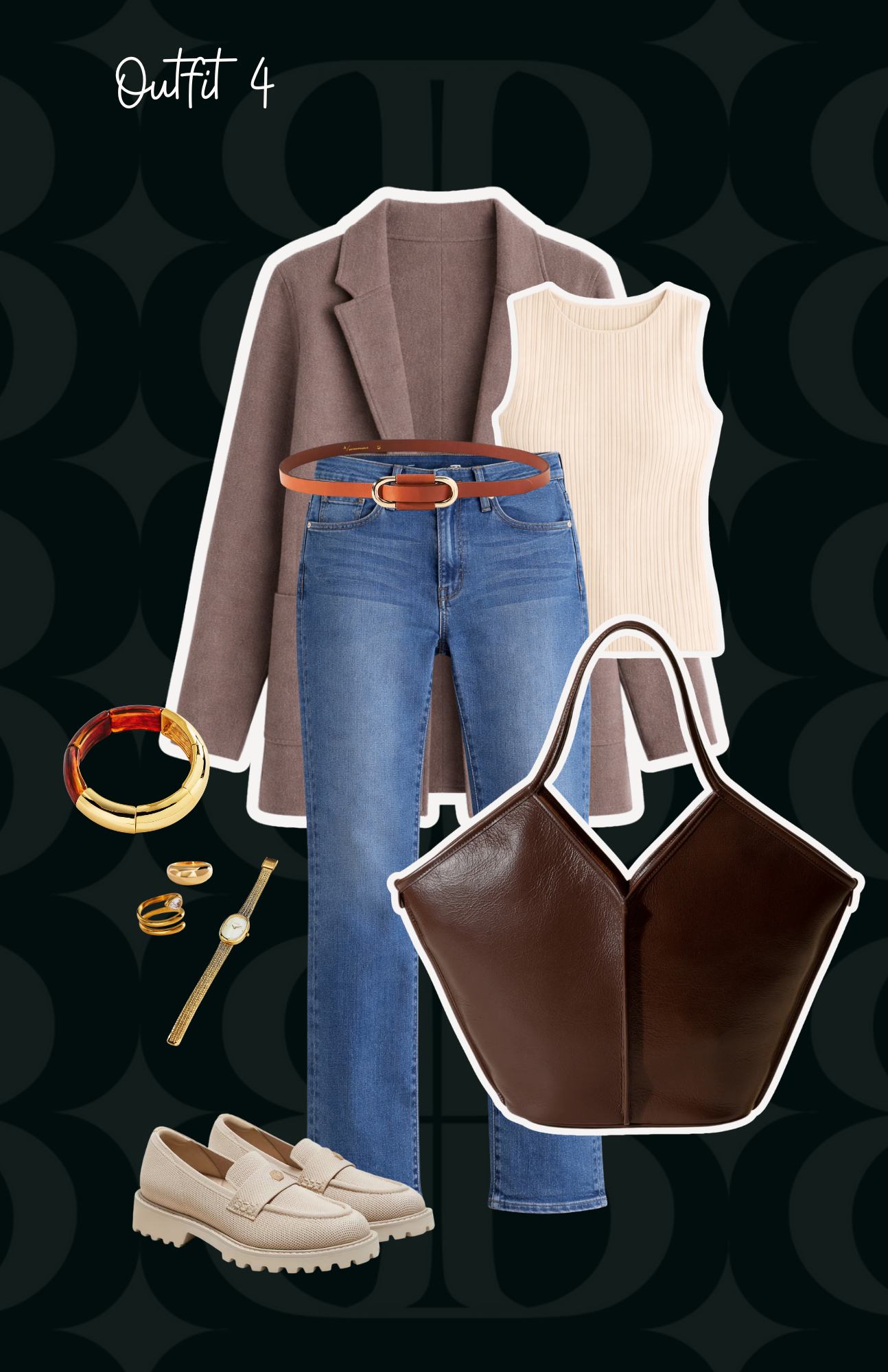
Barbara’s coloring sits in a warm, medium-contrast range, best supported by rich, earthy tones like camel, olive, rust, and chocolate .
This immediately guided:
Fabric choices
Outfit combinations
And overall wardrobe cohesion
Instead of random pieces, we built a palette where everything naturally works together.
Make it stand out
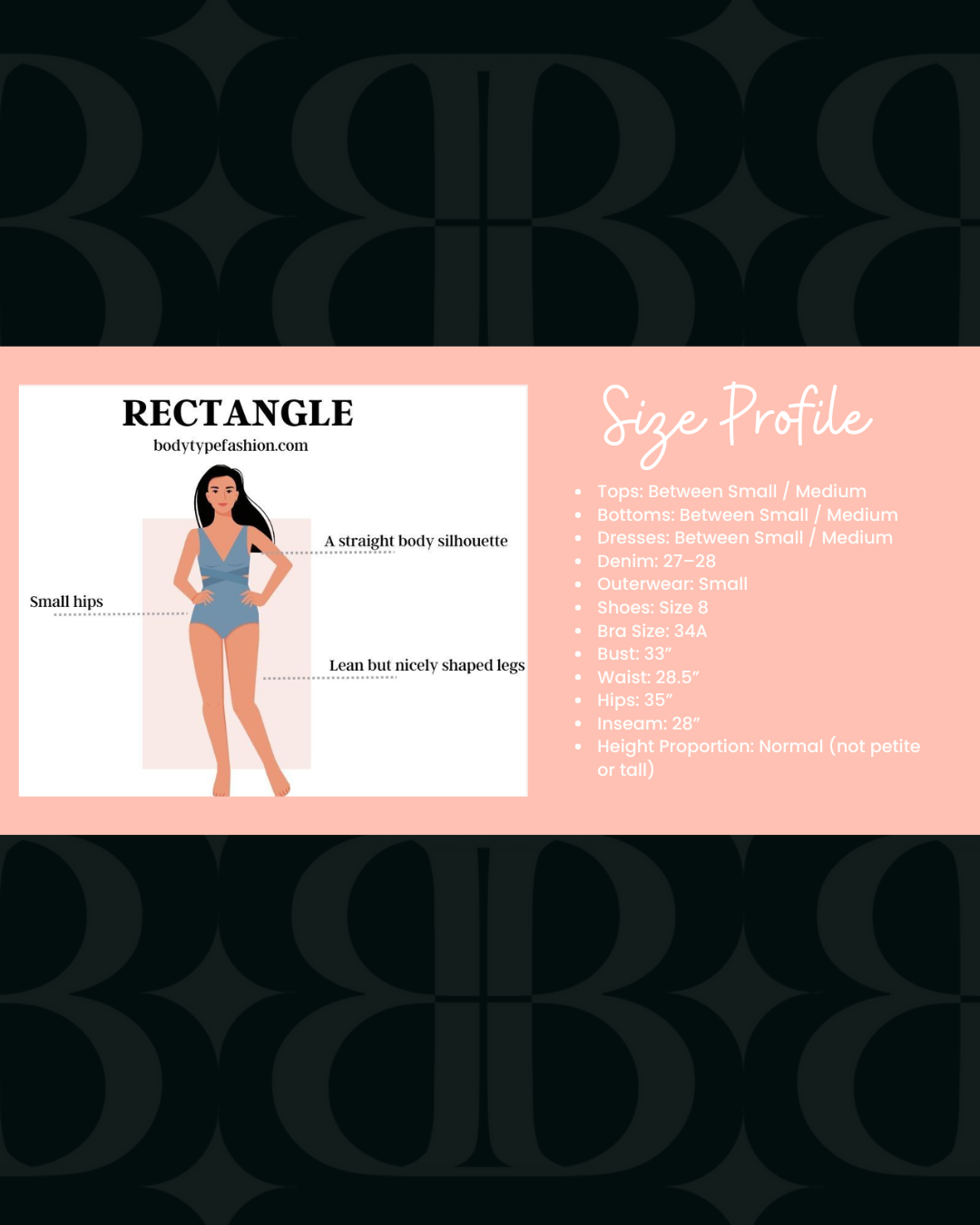
Body Structure (Rectangle Shape)
Barbara’s proportions are balanced through bust, waist, and hips, with softer waist definition .
This meant:
We could not rely on natural curves to define outfits
Shape had to be created through clothing construction and styling
The strategy became:
Every outfit must visually create a waist—without relying on tightness or cleavage.
3. Lifestyle Integration
Barbara lives in New York City, which immediately changes how a wardrobe needs to function.
This isn’t a car-to-office-to-home routine. It’s:
Walking
Commuting
Being out for extended periods of time
And needing outfits that can transition without a full change
On top of that, she’s a new mom, which added another layer of complexity:
She needed clothes she could comfortably move in
Pieces that could handle sitting on the floor, bending, lifting, and chasing her son
Outfits that still felt like her, not just “practical”
Her work life also isn’t one-dimensional. She splits time between:
Working from home
Going into the office (casual, but polished)
And like many women in this phase, she didn’t want separate wardrobes for each version of her life.
She needed one wardrobe that could do all of it:
Workday → dinner or drinks
Errands → social plans
At-home comfort → put-together enough to step out
And then there was one more key piece:
Barbara loves bold print.
She specifically called out brands like Farm Rio—color, pattern, personality. She wasn’t looking for a neutral, minimal wardrobe.
She wanted expression.
The challenge was integrating that into a wardrobe that still felt:
Cohesive
Flattering
And easy to style on a daily basis
So the goal wasn’t to tone her down.
It was to give her structure strong enough to support her style.
How We Built the Wardrobe (With Her Real Life in Mind)
Because this was a full rebuild, every piece had to function across multiple scenarios—not just look good in isolation.
Tops
We needed tops that could:
Feel comfortable enough for at-home days
Layer easily for the office
Still look intentional if she went straight to dinner
This is where structure became critical.
We selected:
Soft knits with shape (not oversized drape)
Cropped or waist-length silhouettes that naturally define her frame
Pieces that could be styled multiple ways—tucked, untucked, layered
This gave her flexibility without sacrificing polish.
Bottoms
In a city like New York, bottoms do a lot of work.
They need to:
Hold up through walking and movement
Pair easily with multiple tops
Transition between casual and elevated
We focused on:
High-rise silhouettes to establish a consistent waistline
Straight and wide-leg cuts for comfort and balance
Structured fabrics that maintain shape throughout the day
This allowed her to move freely—whether she was heading to a meeting or chasing her son—without losing the integrity of the outfit.
Dresses (A Key Category for Her Lifestyle)
Dresses became one of the most strategic parts of Barbara’s wardrobe.
Why?
Because they solve multiple problems at once:
One-piece ease for busy mornings
Built-in outfit structure
Easy transition from day to night
We selected:
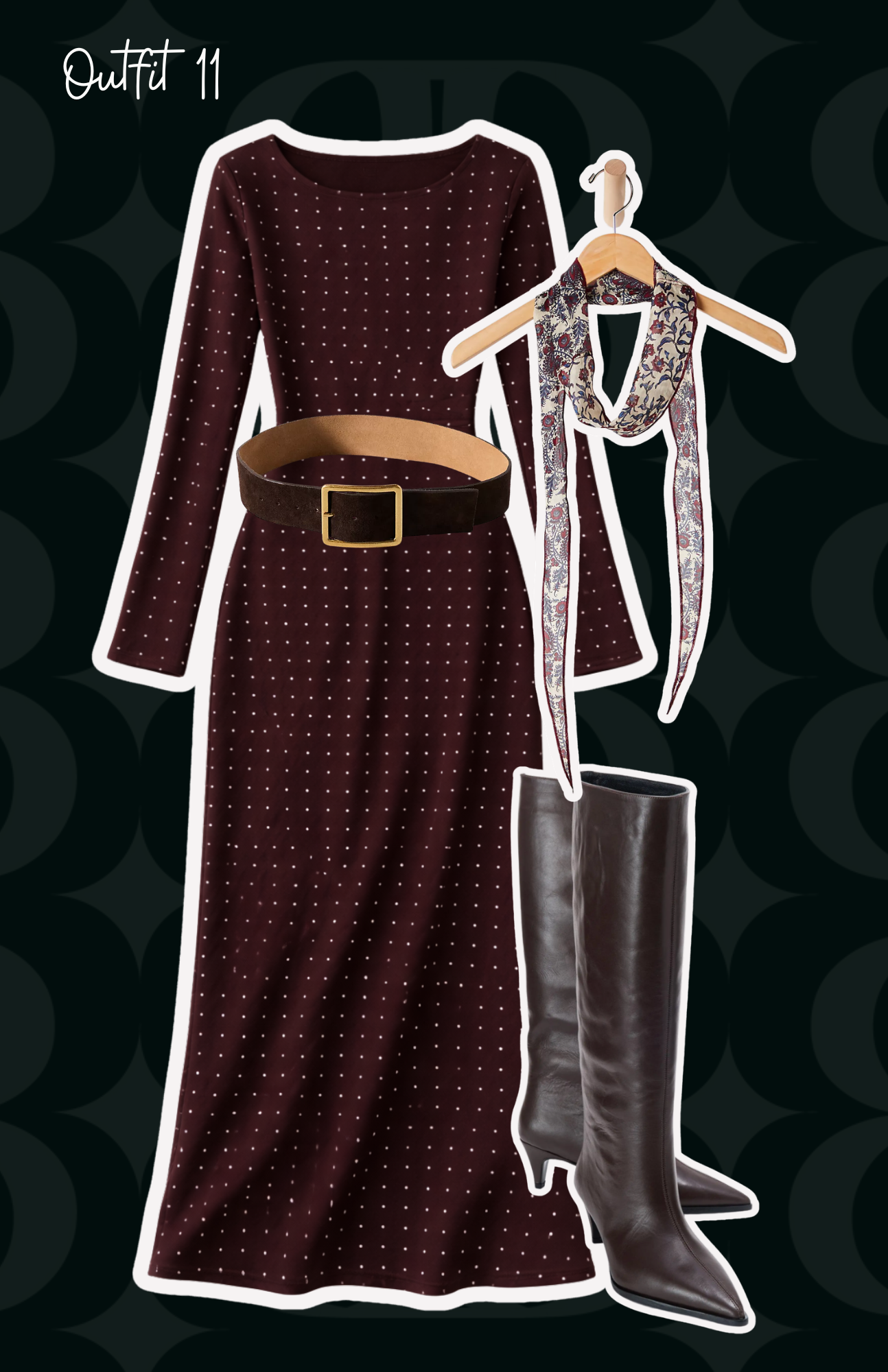
Wrap and faux-wrap styles
Belted silhouettes
A-line shapes
These allowed her to:
Throw something on quickly
Maintain comfort
And still have a defined, feminine shape
For NYC specifically, dresses also gave her the ability to:
Pair with sneakers or flats during the day
Swap into boots or elevate with accessories at night
Print and Personality (Where Barbara Really Came Alive)
This was a non-negotiable.
Barbara didn’t want a “safe” wardrobe. She wanted one that felt like her.
So instead of minimizing print, we structured it.
We approached it with a clear hierarchy:
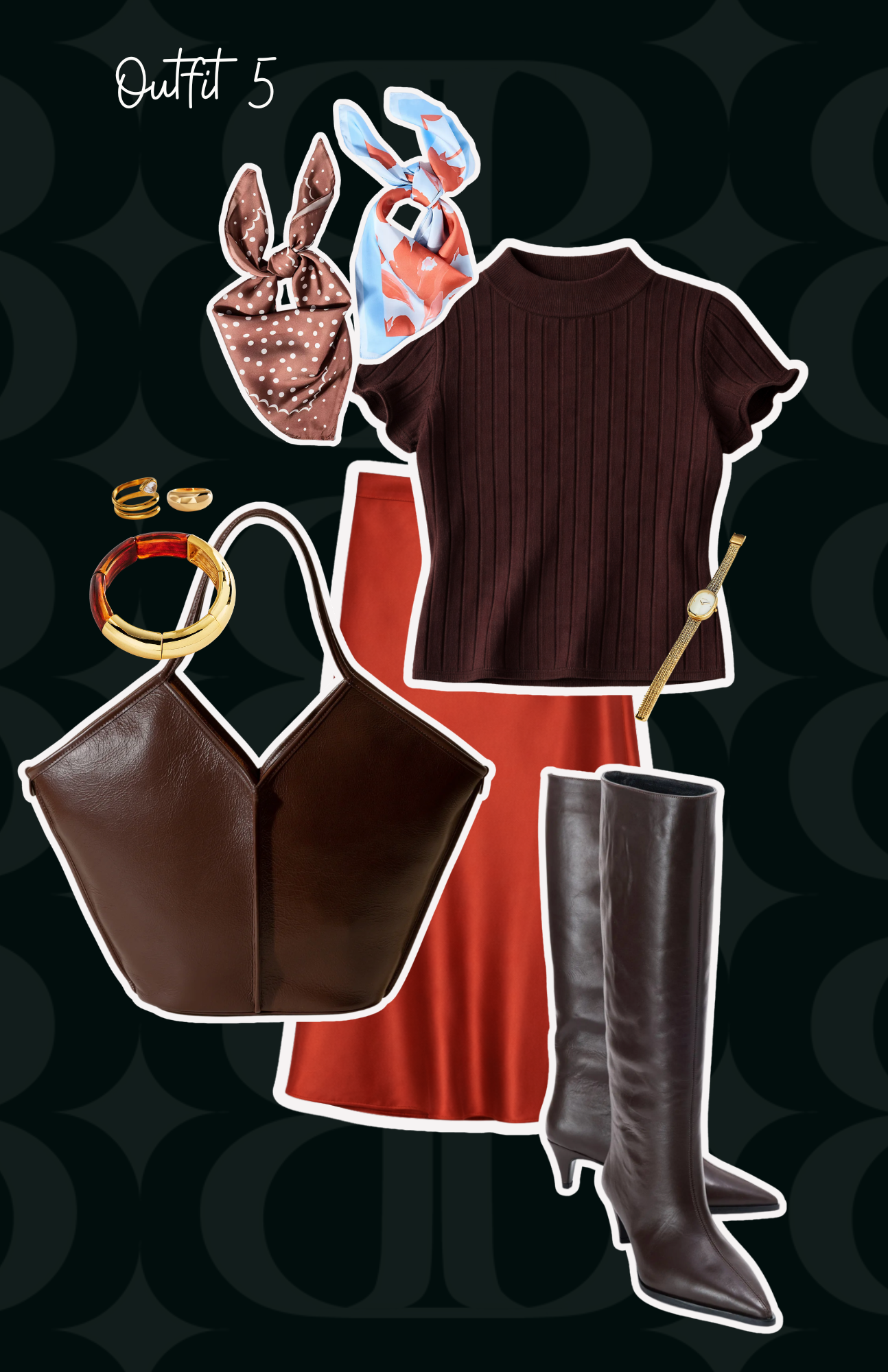
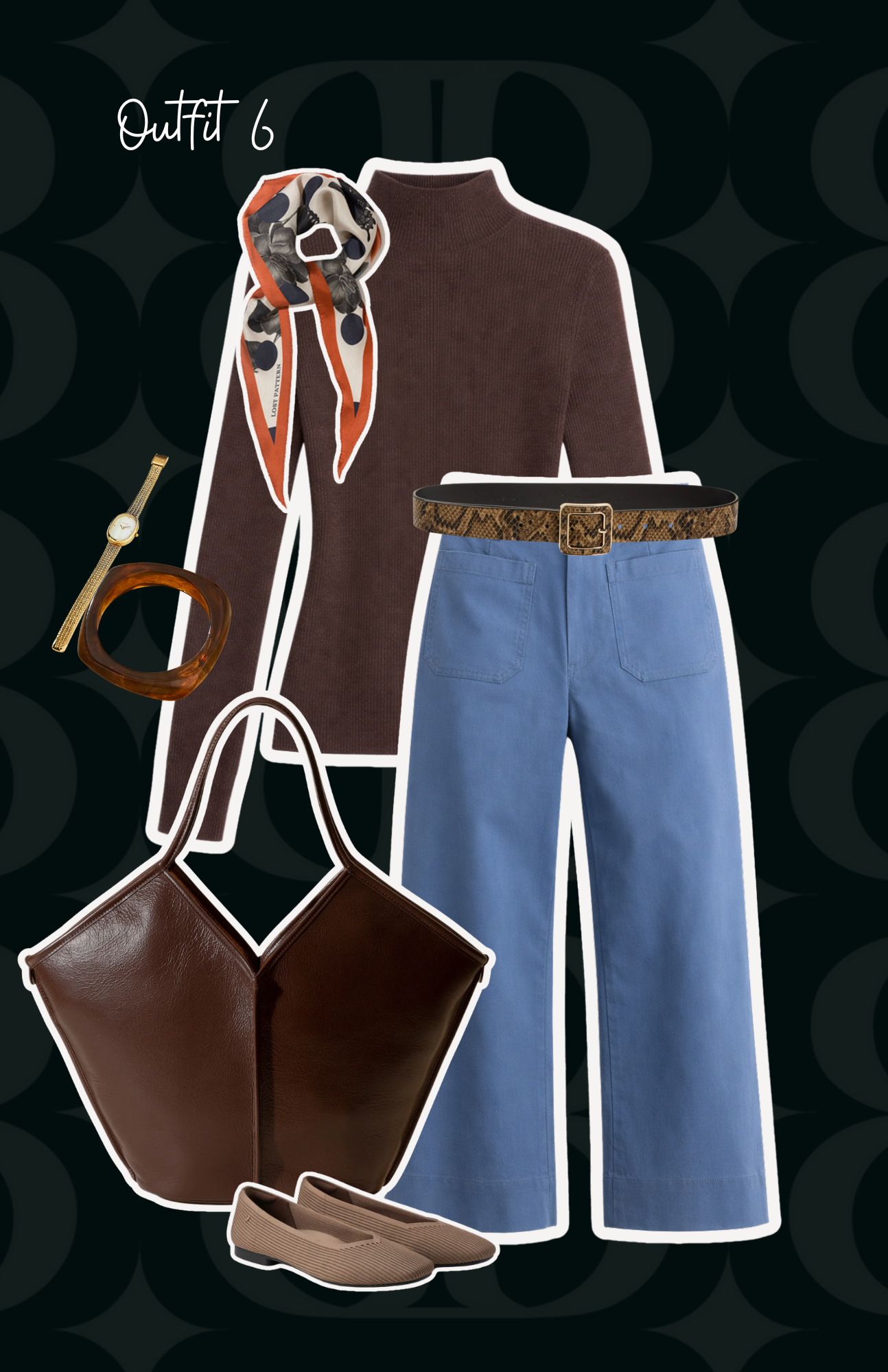
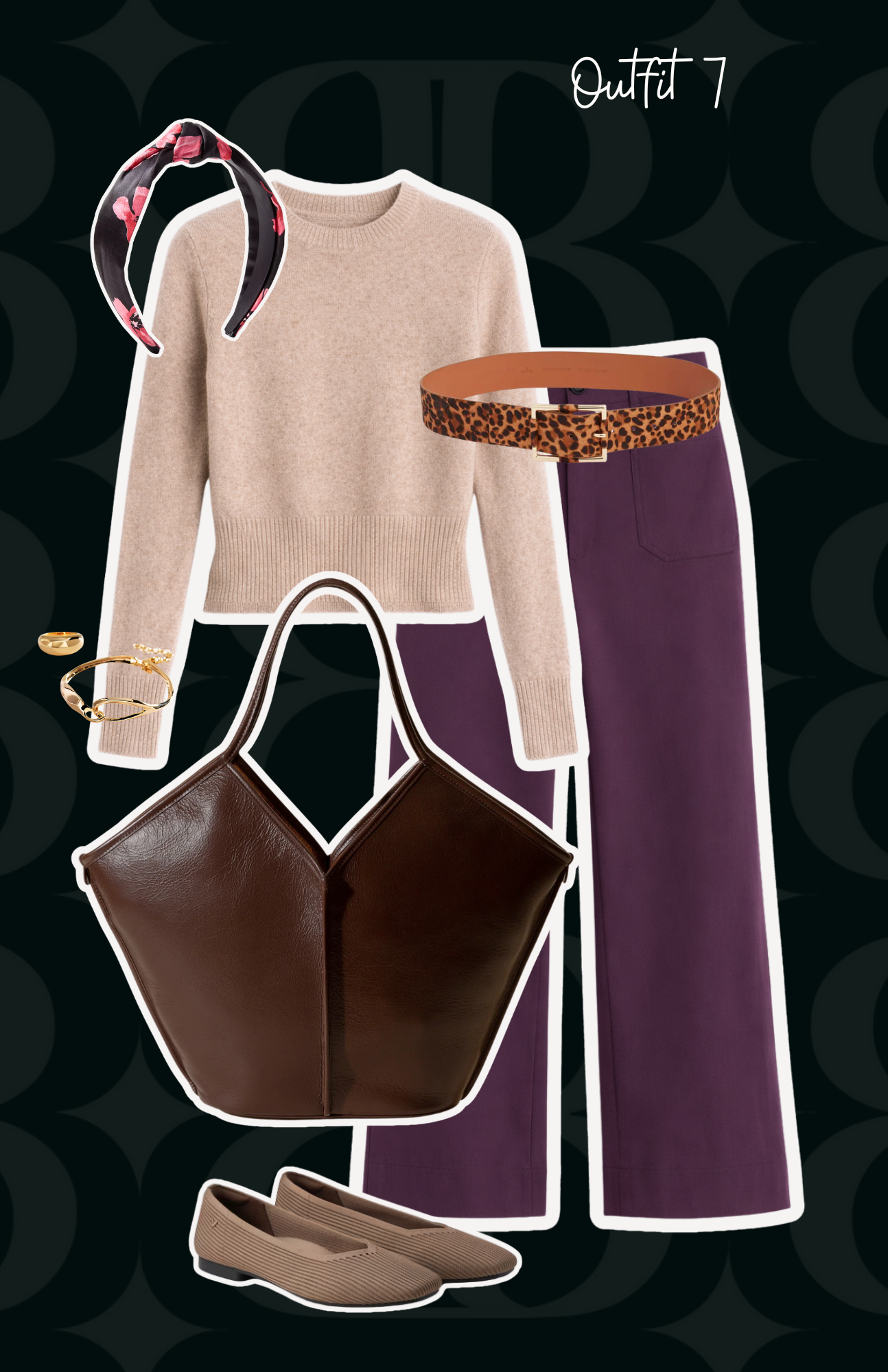
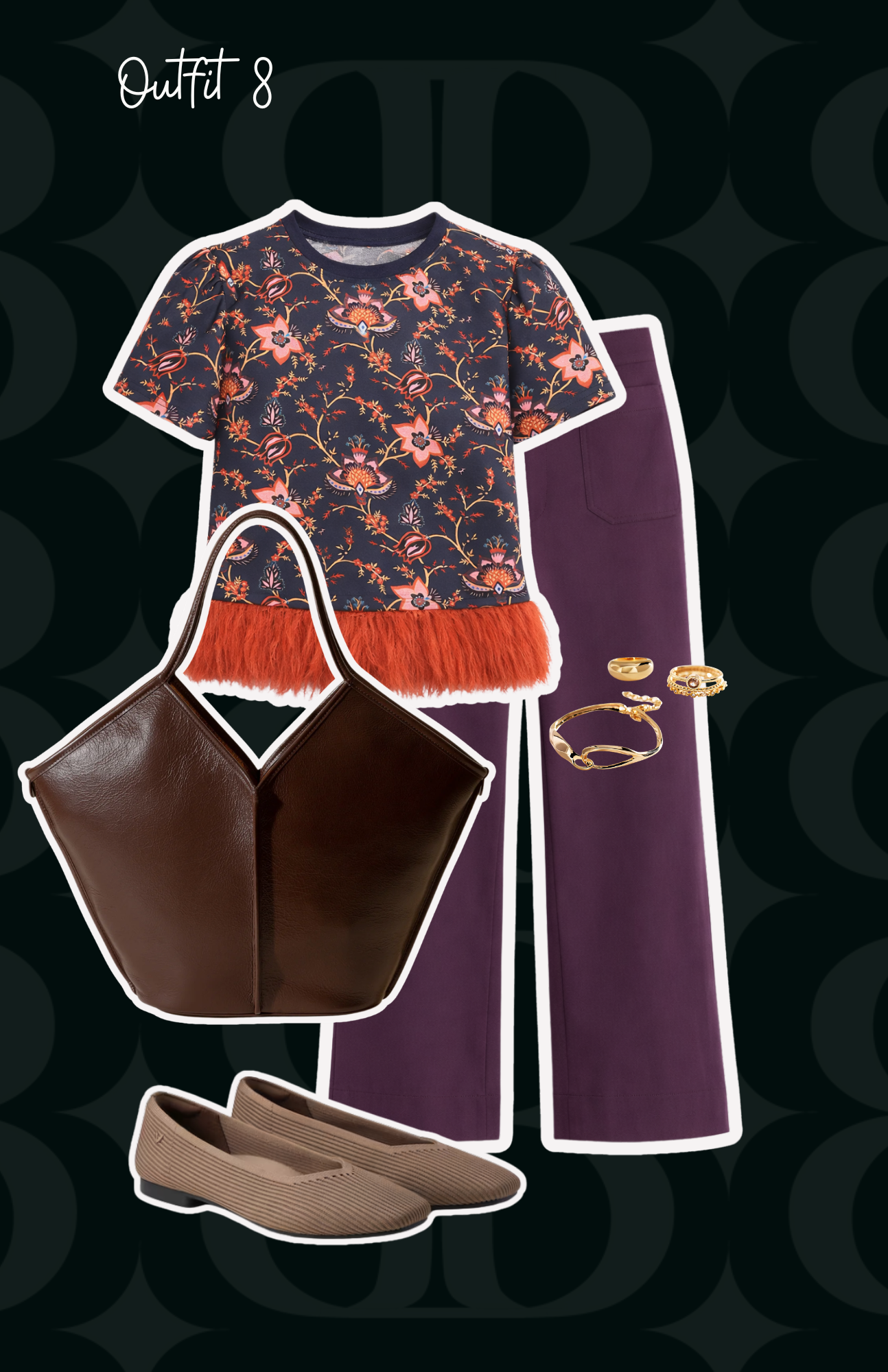
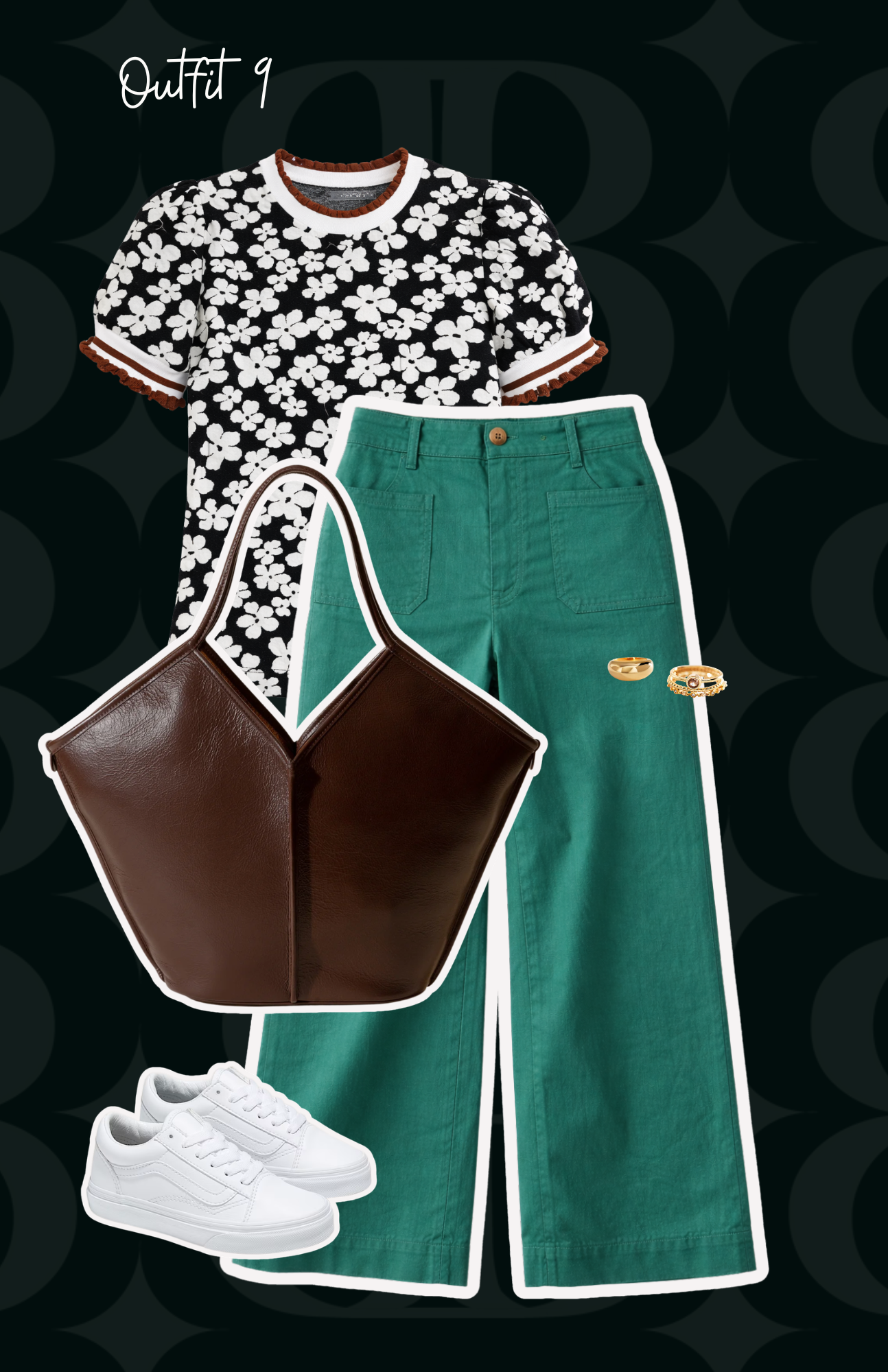
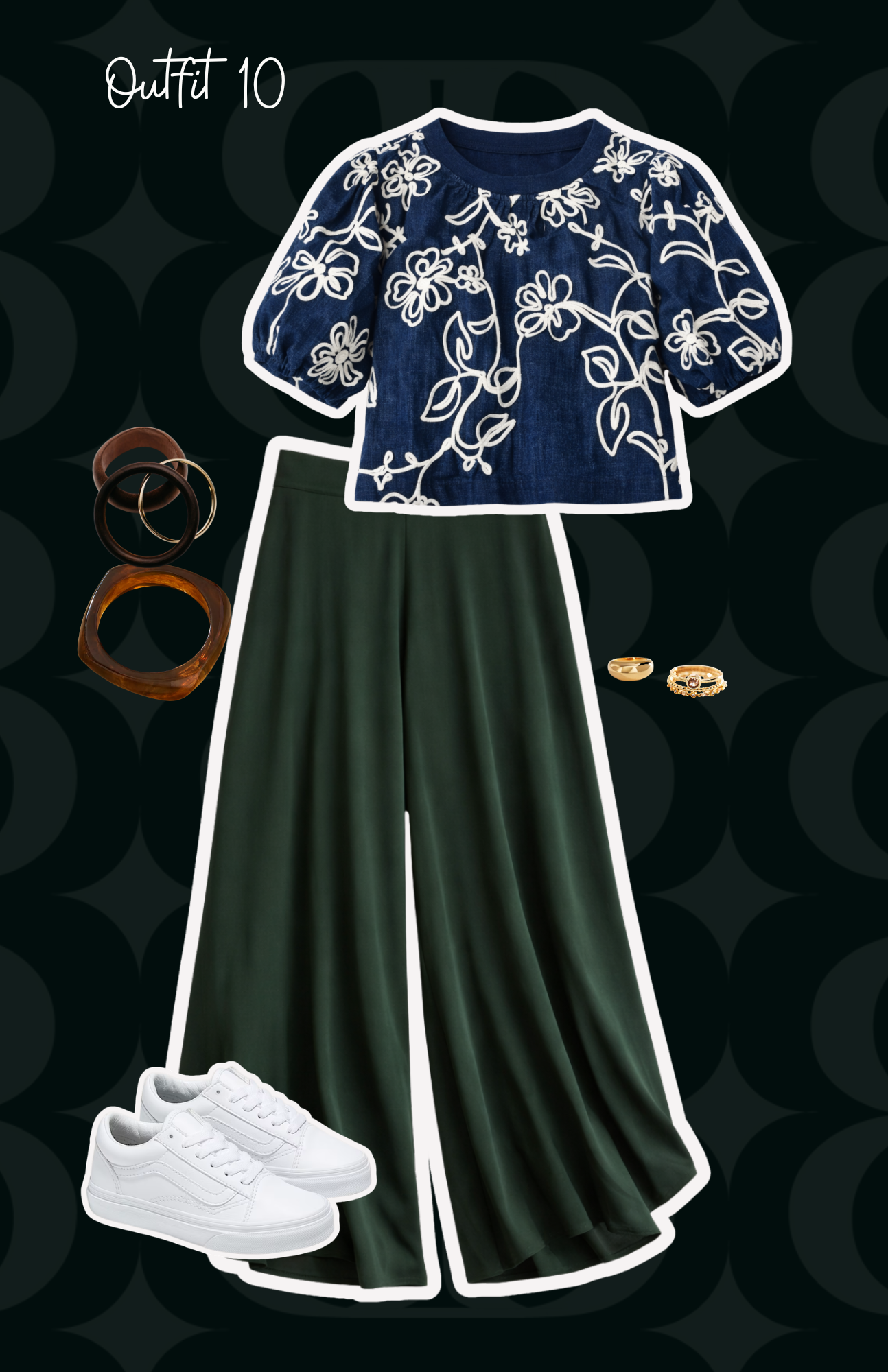
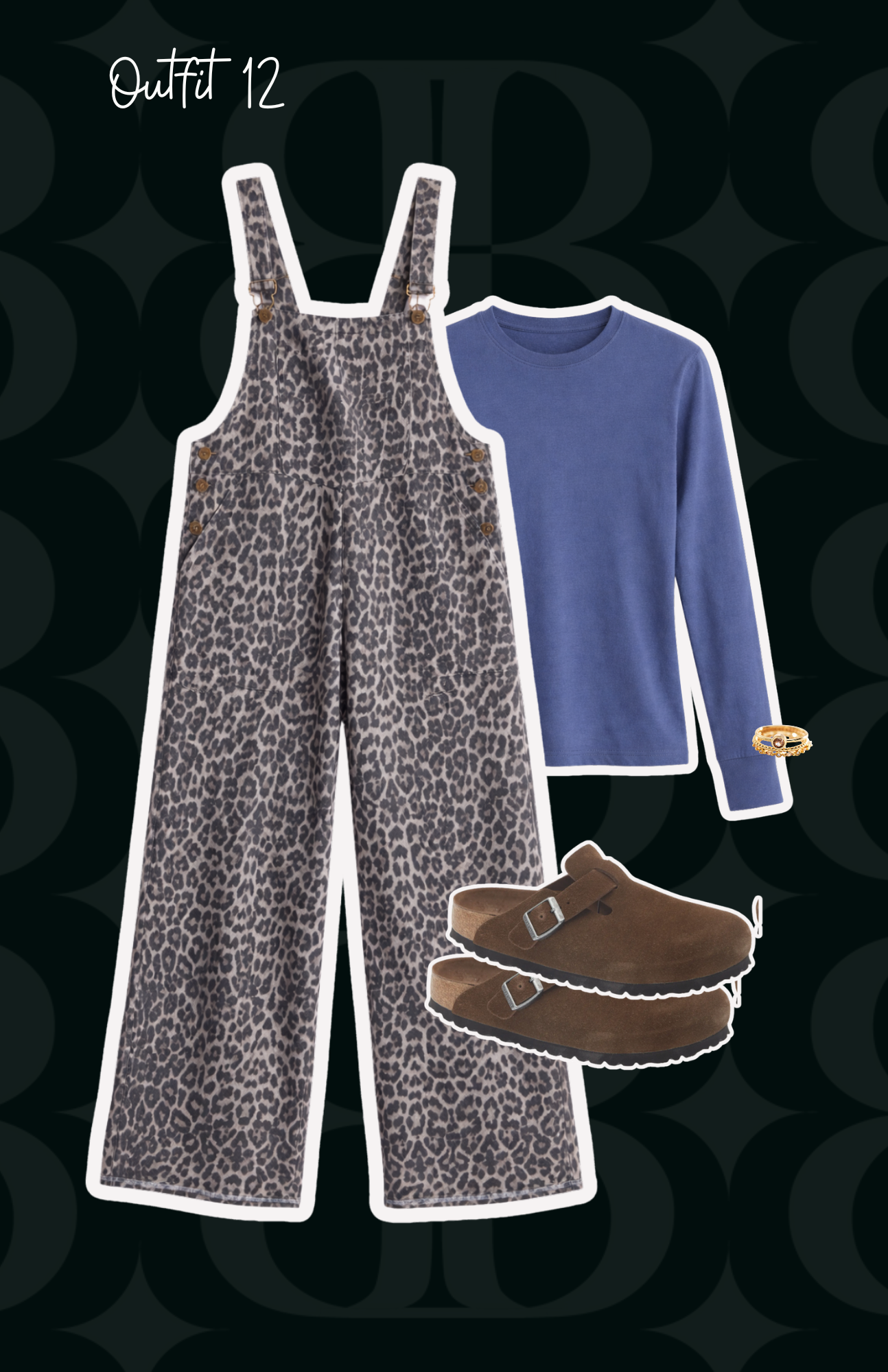
One statement piece per outfit (often a printed top, dress, or pant)
Supporting pieces kept more grounded in her color palette
Accessories used to echo—not compete with—the print
Because her palette is rooted in True Autumn tones, even her bold prints stayed cohesive .
This is why the wardrobe works:
It’s expressive—but not chaotic.
The Styling System That Made It Functional
With her lifestyle in mind, styling needed to be:
Fast
Repeatable
And adaptable throughout the day
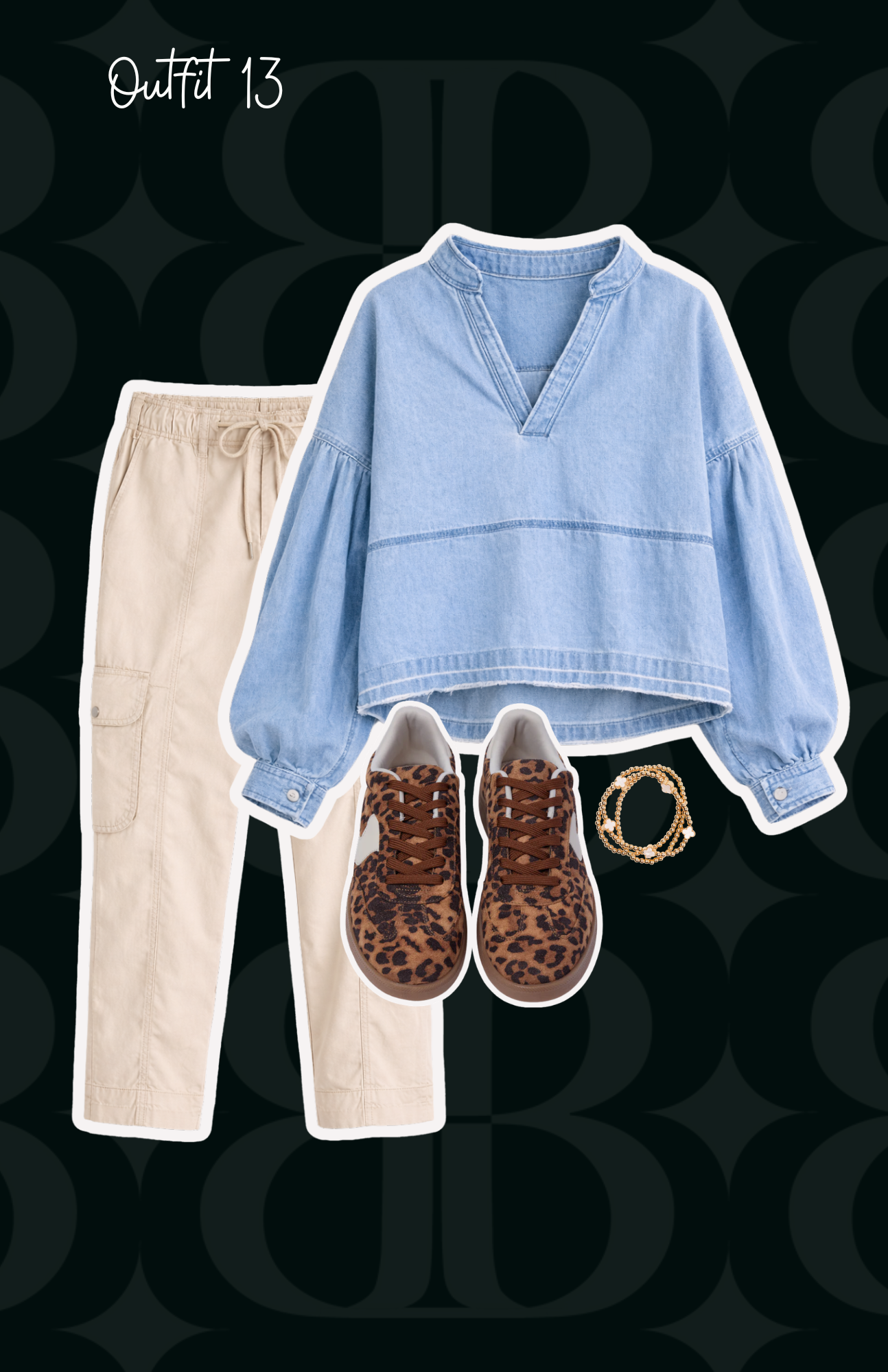
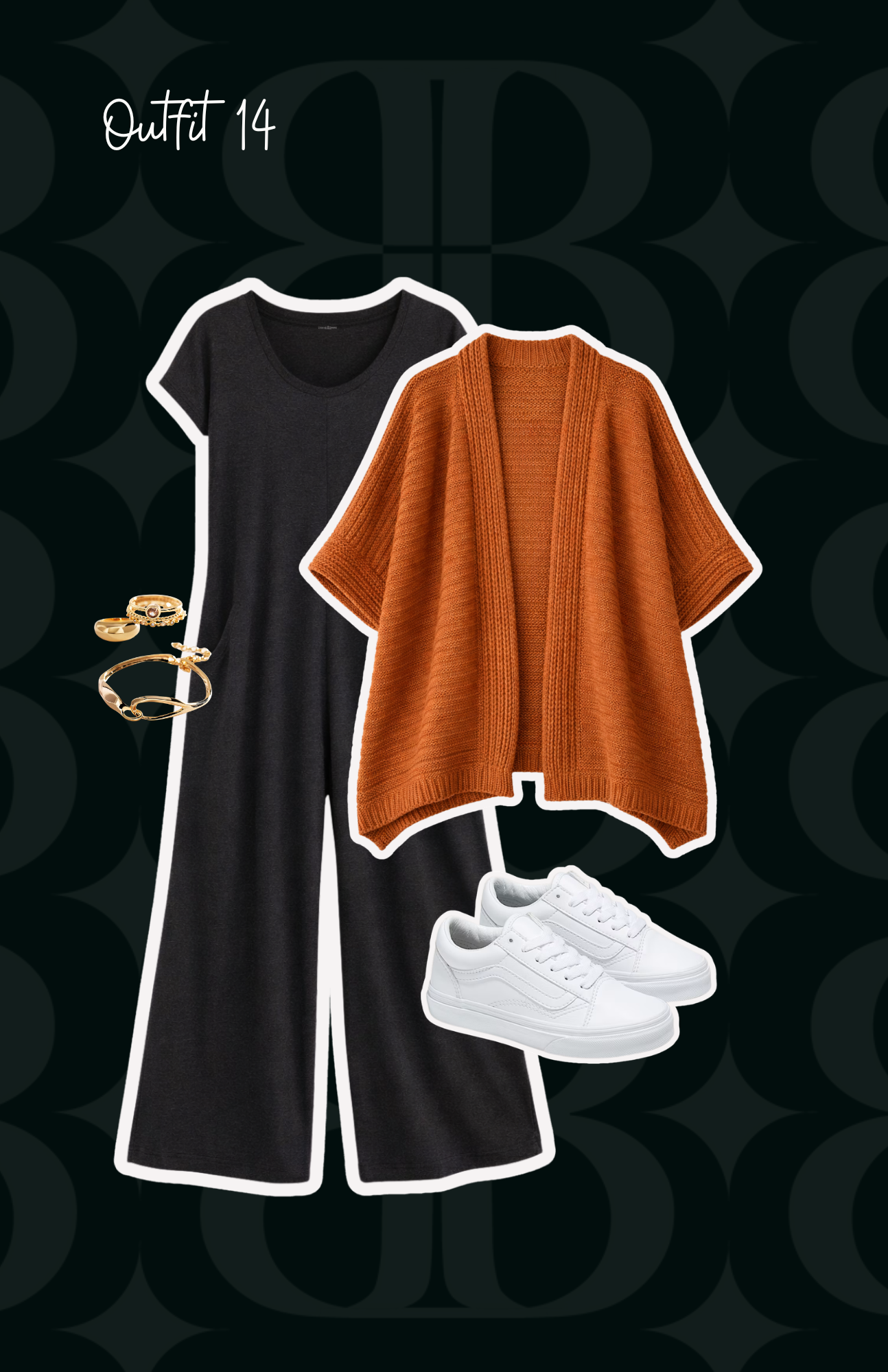
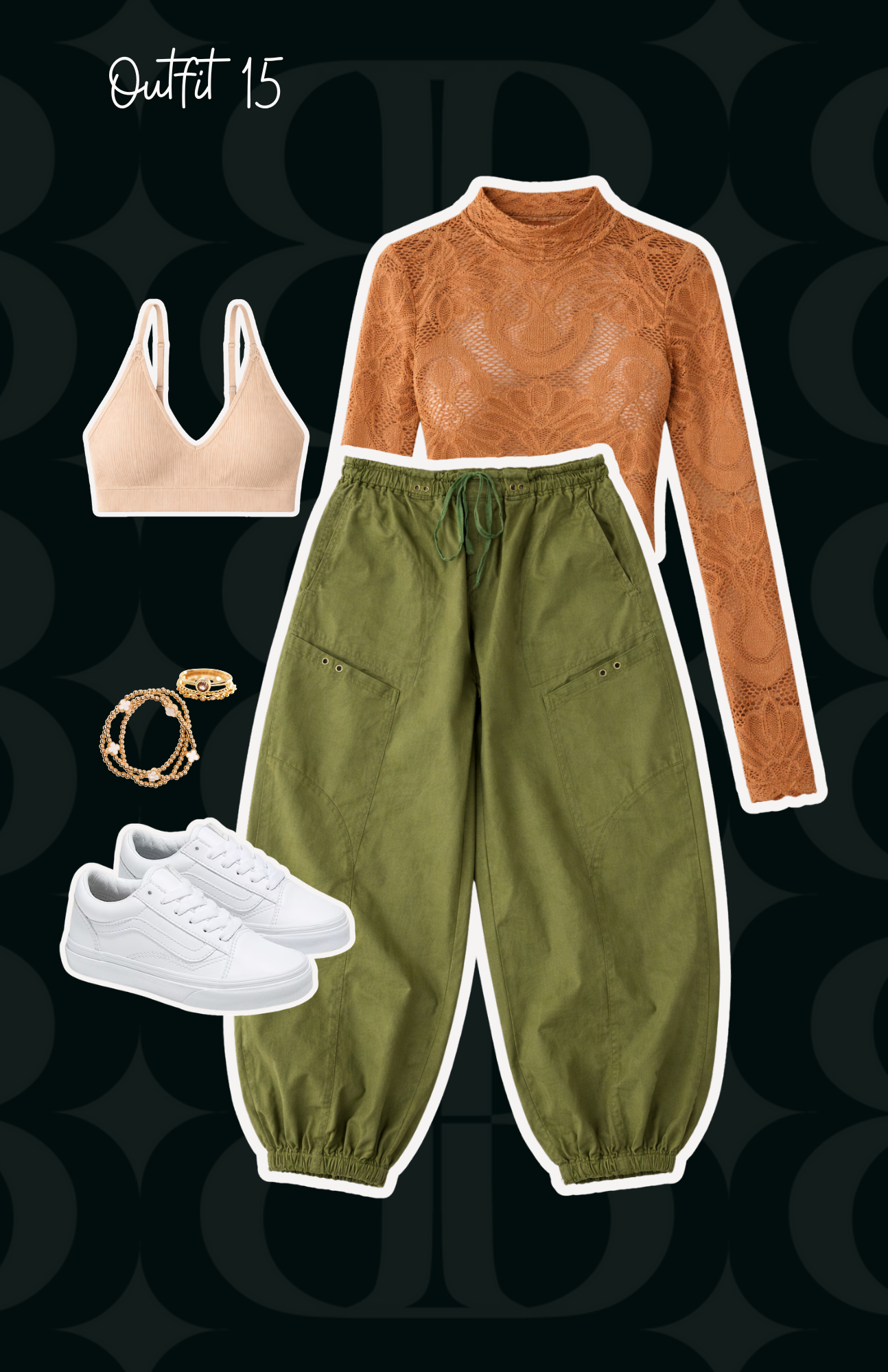
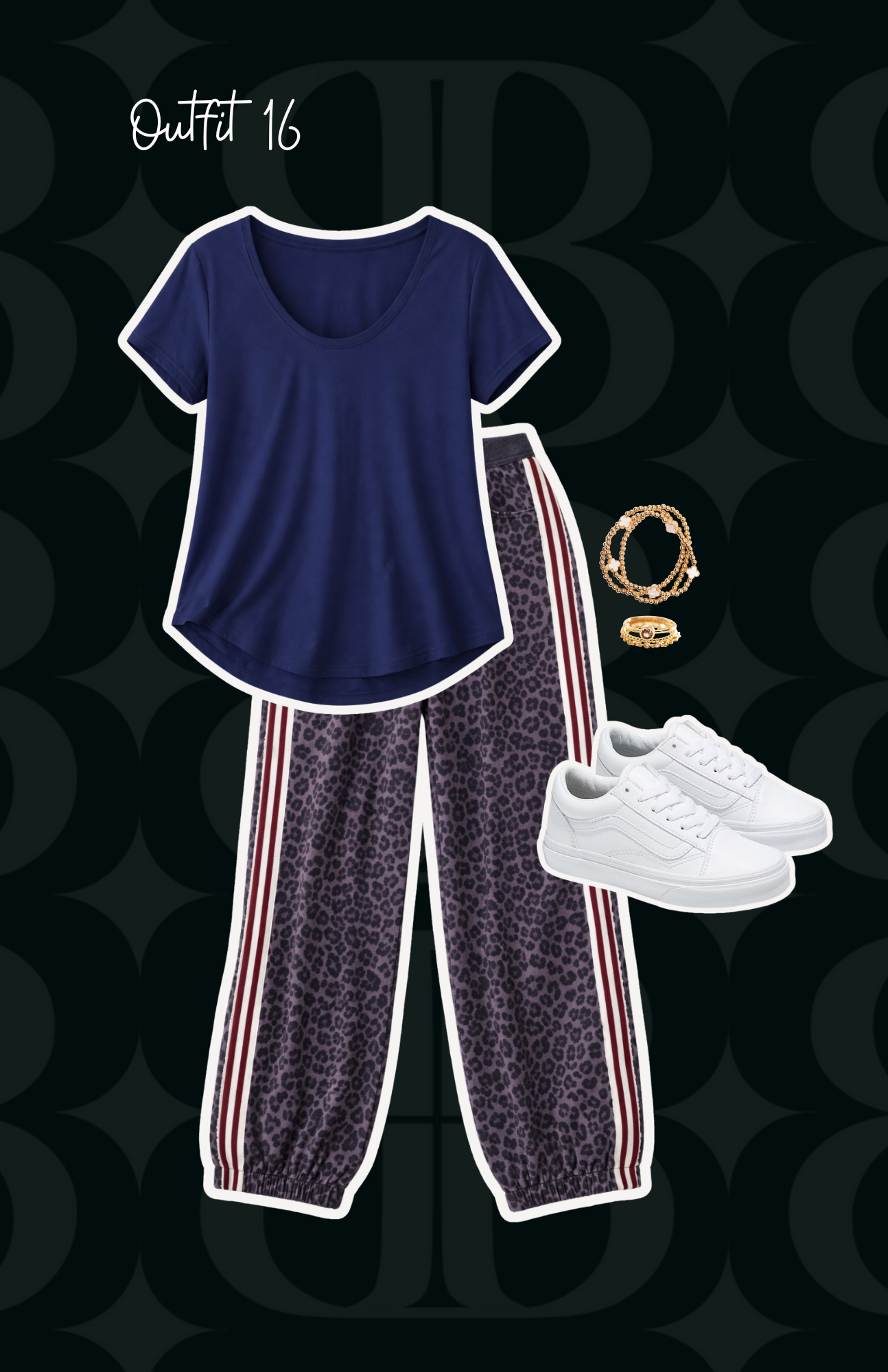
Across all 17 outfits in her guide , we reinforced the same core principles—but now applied to real-life scenarios.
From Workday to Night Out
Instead of full outfit changes, we built in transition points:
Adding or removing a layer
Swapping shoes
Introducing a belt or accessory
Because the base outfit was already structured, small adjustments were enough to shift the look.
From At-Home to Out-the-Door
For days with her son, comfort was non-negotiable.
But instead of defaulting to oversized or shapeless pieces, we used:
Soft fabrics with intentional cuts
Relaxed silhouettes paired with defined waist elements
This allowed her to:
Move freely
Stay comfortable
And still feel put together
From Statement to Balanced
With her love of bold print, the key wasn’t limiting it—it was controlling it.
We taught her:
If the top is bold → keep the bottom grounded
If the piece is printed → anchor it at the waist
If there’s volume → balance it with structure
This ensured that even her most expressive outfits still felt polished.
What Made This Transformation Successful
Barbara’s lifestyle required more than just “good outfits.”
It required a wardrobe that could:
Keep up with movement
Transition across environments
Reflect her personality
And still feel easy to use daily
That’s what we built.
Not just a wardrobe—but a system that works inside real life.